During this period, the number of COVID infections has been soaring everywhere. Remember to wear a mask when you go out.
These past few days our editorial team has also been filled with a sense of impending crisis, but as soon as a case appeared in the office we quickly switched to working from home, so the current situation is still not bad.
Even so, the topic we discuss most every day is still COVID — and it’s not just the editorial team. Most of the group chats 差评君 is in are in the same state.
“Do I hear that COVID is the same as the flu now?”
“Did you manage to grab any medicine? How come I can’t buy any anywhere?”
“Will catching COVID now still leave any after-effects?”
Lianhua Qingwen is almost turning into “hard currency” ▼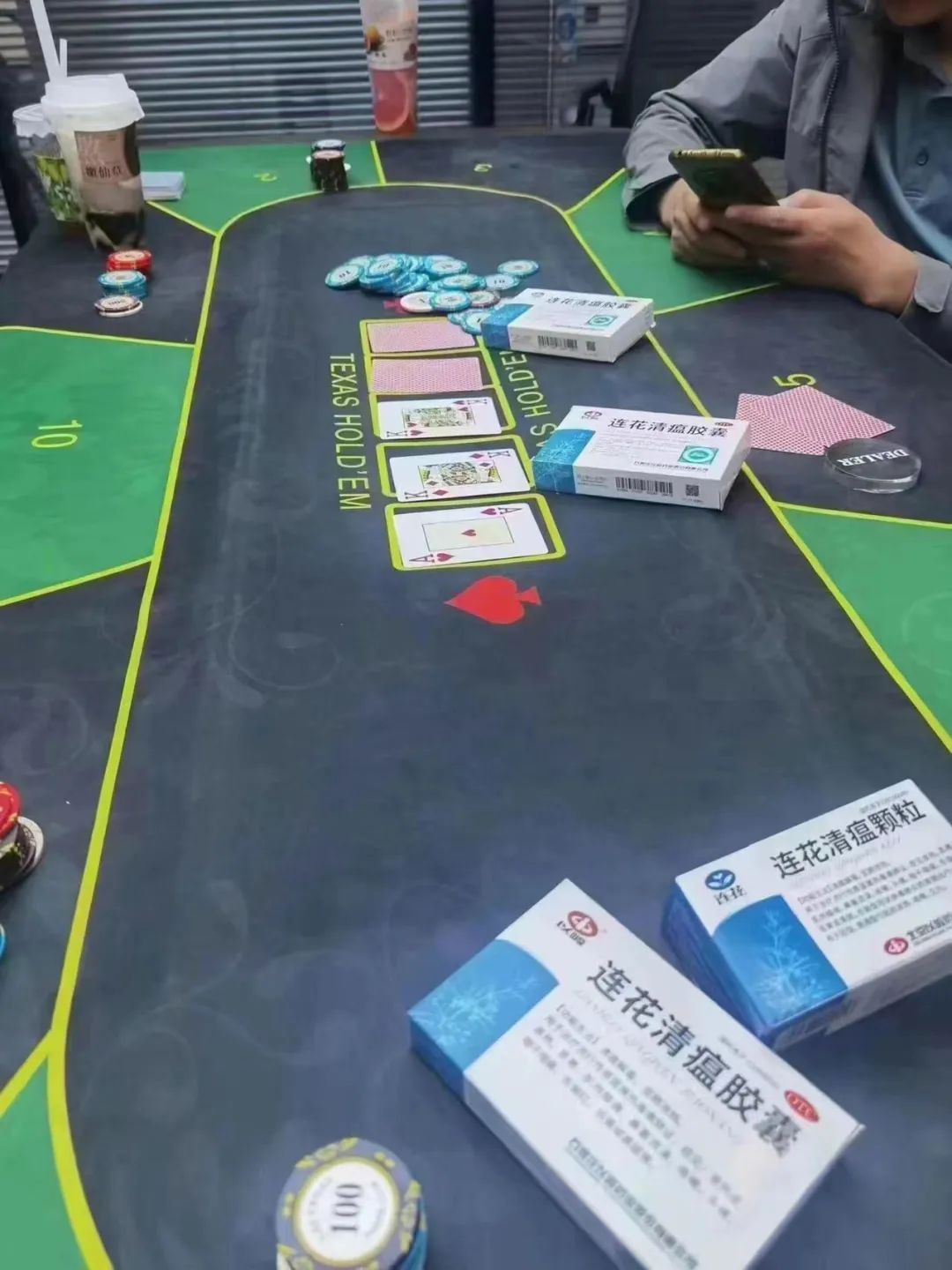
With the reopening, everyone is starting to face COVID head-on, but most people still don’t truly understand COVID, and they carry some degree of worry in their hearts.
With a bit of curiosity, 差评君 went through a number of papers and related reports from home and abroad, and grabbed a few friends around who had unfortunately caught it to chat about their “COVID journey”.
I hope this article helps everyone quickly gain a preliminary understanding of COVID.
First, let’s introduce the basic situation.
Since January this year, what has been circulating in most parts of China is “Omicron”.
The specific variant circulating differs from region to region: in Beijing the dominant variant is BF.7, while in Guangzhou it is mainly BA 5.2. Both belong to different branches of Omicron, so there is no significant change in the virus’s virulence, pathogenicity, or infectiousness. There is no such thing as different virulence between north and south; differences in how the disease presents may be caused by individual variation.
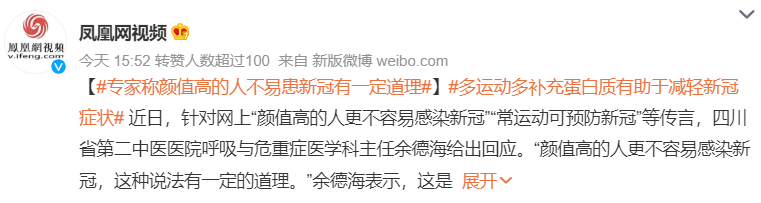
As for those claims that “ugly people catch it easily and pretty people don’t”, well, we can just take them with a grain of salt
After infection with Omicron, cases are mainly asymptomatic and mild.
Mild cases are defined as: the appearance of upper respiratory infection symptoms such as low-to-moderate fever, sore throat, and nasal congestion, as well as symptoms such as fatigue and impaired smell (taste), but with no signs of pneumonia.
So, for most people, Omicron is not frightening.
But note that people such as the elderly, those with underlying conditions, and those with weak immunity are prone to severe illness.
Multiple experts including Academician Zhong have stated that 99% of patients recover in about a week, and that as long as you have been infected — with or without symptoms — the probability of a second infection within 3-6 months is extremely low.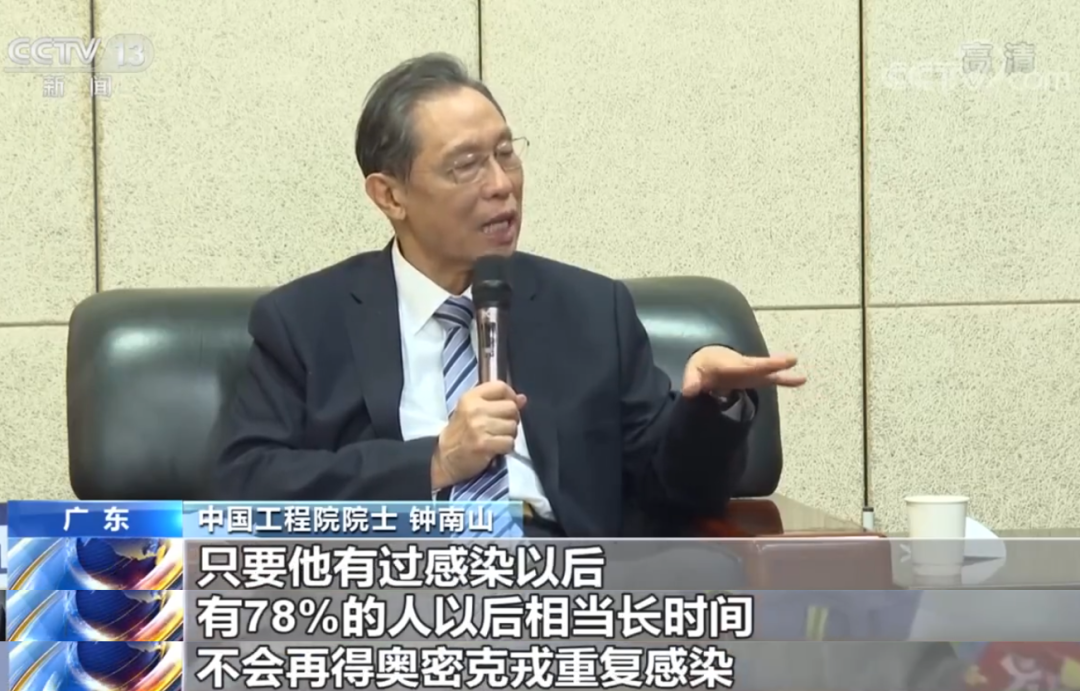
These data look rather dry, so 差评君 simply got in touch with 4 friends around who had tested positive and asked about what being ill felt like for them.
What follows is their account; for ease of reading, 差评君 has done a bit of light tidying up.
1 Tie Tou, Beijing
Since my girlfriend tested positive, I had a feeling I would too.
From start to finish it was about 7 days. On day 1 my throat was slightly uncomfortable, similar to the usual “internal heat” feeling, and I had a feeling it couldn’t be held back and that I’d have a fever the next day.
Starting on day 2 or day 3, I had dizziness and a fever, though at that point the test still came back negative. The fever was 38.5°C.
The next two or three days passed in a daze. My body hurt a lot — the kind of muscle soreness you get after a workout. No matter how I sat or lay, I was uncomfortable. It felt like I’d been beaten up. My neck hurt, my lower back hurt, and I couldn’t bear any load.
After that came the fairly standard coughing.
By the seventh day, it was just a bit of discomfort in my throat.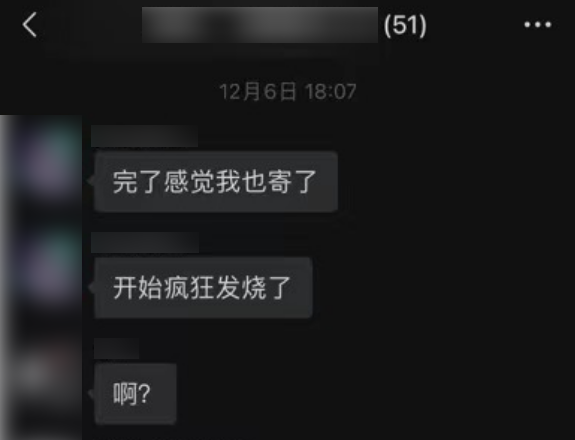
Personally, I had no appetite — no appetite every day, just drinking water. I didn’t take much medicine either; the whole time I took just one ibuprofen.
The more annoying part was that food delivery in Beijing was very slow — probably the delivery riders had all tested positive too. Buying some water meant waiting an hour, with a delivery fee of 30.
My advice is just to drag out the time, drink water, drink Pocari Sweat, and you absolutely must drink plenty of water.
My partner tested positive before me and recovered before me too. They’ve already gone back to work now. The whole illness cycle was about the same as mine.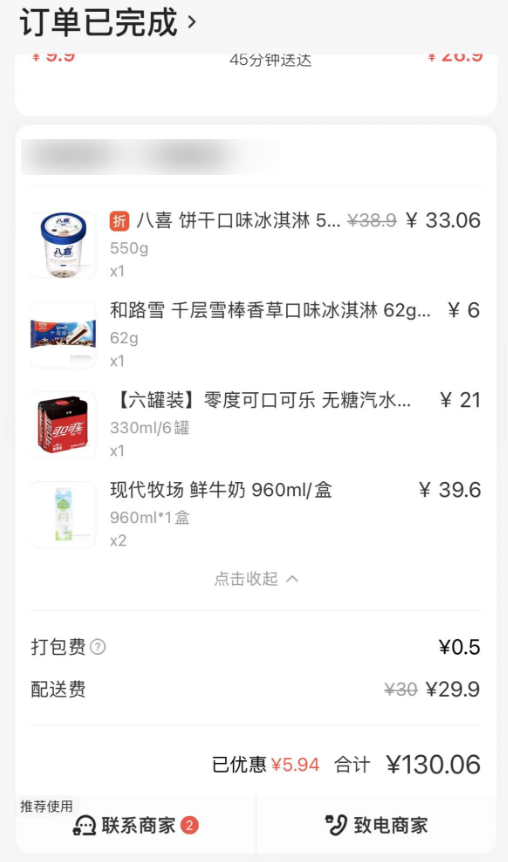
2 Director, Beijing
I started feeling unwell last Sunday, but today (Tuesday) I’m almost better.
When I got up on Sunday morning my body felt a bit sluggish and I felt a little cold, with an aching lower back and neck. After lunch I felt like I was about to get a fever, and in the afternoon it shot straight up to 39.5°C — it came on fast.
The fever lasted about 24 hours, close to 40°C the whole time. I was basically close to unconscious — apart from drinking water and lying down to sleep, I couldn’t do anything.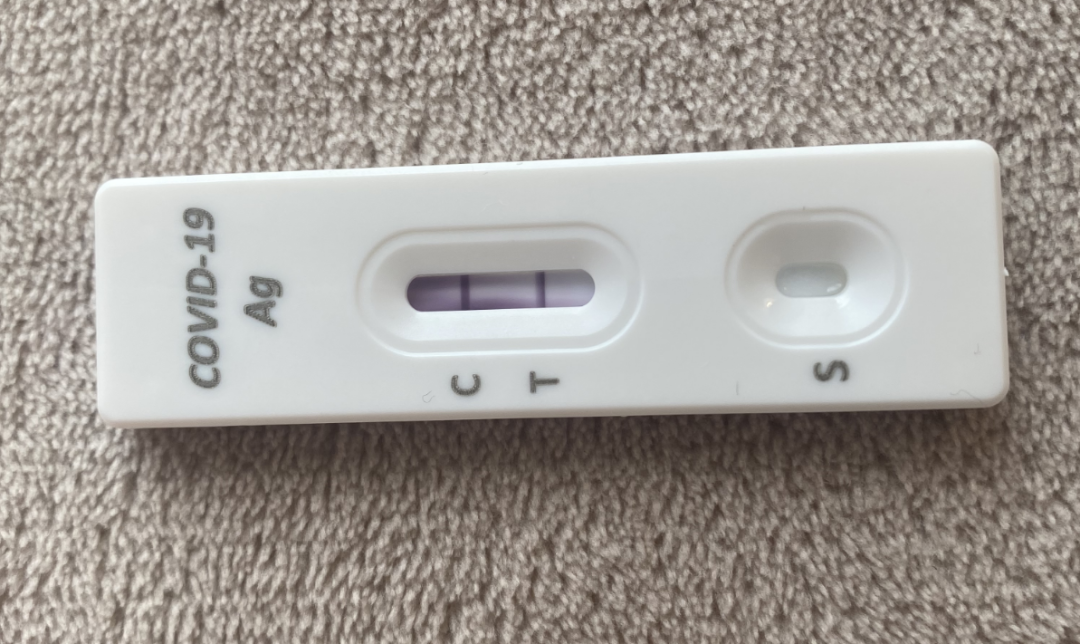
On Monday afternoon the fever started to come down, to around 38°C, and I started to be able to eat.
As for eating, apart from saltiness I couldn’t taste anything else. A friend bought me a can of yellow peaches, and that still had some taste. But when I ate, the very first bite I chewed made the muscles in my whole mouth ache terribly — it hurt so much I was howling.
After that the fever started slowly subsiding, but the aching in my body got worse and more widespread.
Today when I got up (Tuesday) the fever was completely gone. My throat still hurt a bit, and my whole body felt like it had been beaten up — the slightest movement hurt badly, and even not moving hurt. I couldn’t stand it anymore, so I took an ibuprofen at noon.
Today I ate two meals and my sense of taste has basically recovered. Around 3 pm I felt that mentally I had recovered about as much as I needed to; my body felt a bit heavy, but it didn’t hurt much anymore. Swallowing felt slightly odd in my throat, but not noticeably, and the adverse reactions are almost gone.
It feels like I’m well enough to go back to work…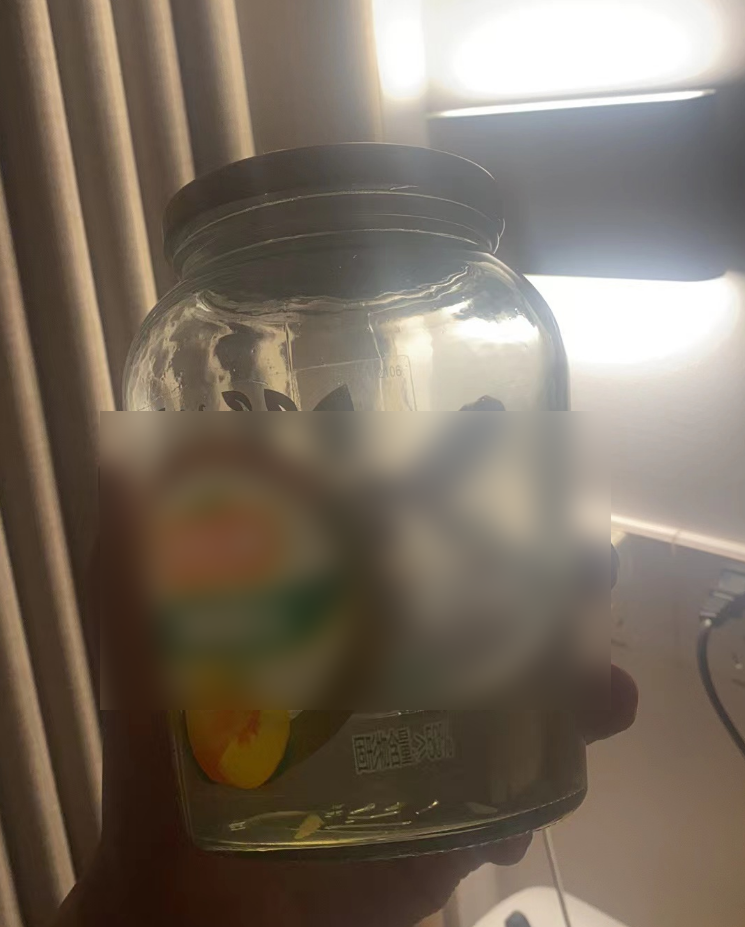
3 Jiajia, Beijing
When I went to sleep last Friday I was still normal. In the early hours of Saturday I suddenly had a terrible fever. I was woken up in the middle of the night by the cold (it was actually the fever), and I sweated so much my clothes were soaked through, but I still felt cold.
I didn’t have a thermometer, so I don’t know how high my fever got. Before the fever, I just felt a slight itch in my throat.
From Saturday until now (Tuesday) it’s been dizziness, coughing, nausea and wanting to throw up, and a runny nose, plus feeling sleepy. I didn’t have body aches.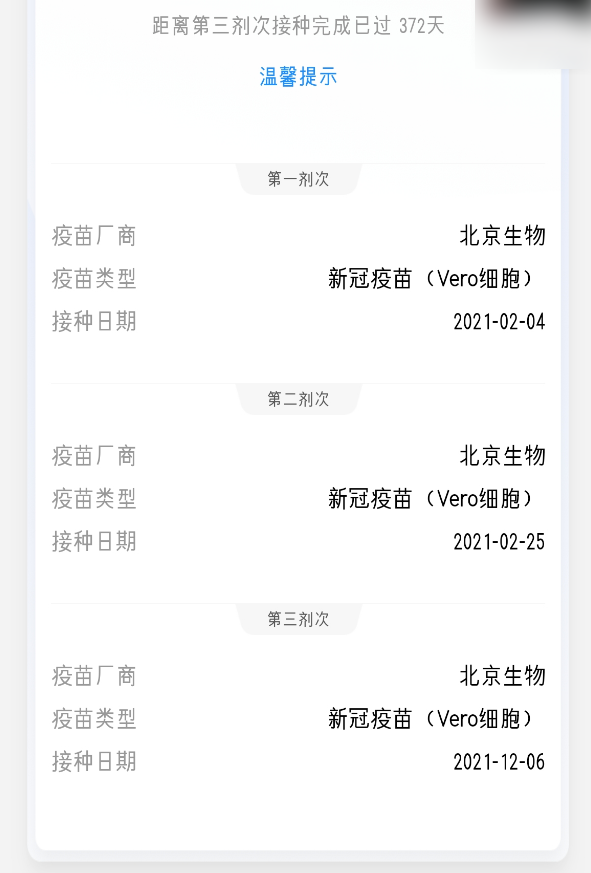
I took medicine the whole time, splitting them up: for pain I took ibuprofen, for fever Lianhua Qingwen, for throat discomfort cephalosporin — one kind at a time, then after 7 hours another depending on how things were (note: this is not medical advice, just my personal medication habits). Taking medicine really does relieve some of the discomfort.
Mainly it came down to drinking water — 4.5L a day. Since I happened to have bought bottled water in large jugs, the amount was very clear.
It didn’t have much of an impact on my life, except I had no energy to play games. Some people can’t taste their food; for me everything tasted salty, so I kept diluting my malatang with water like crazy.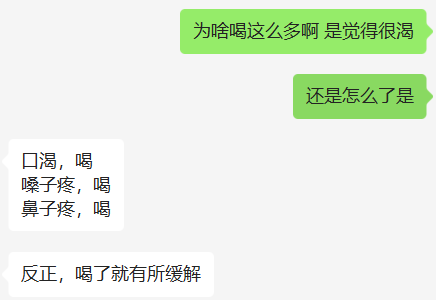
4 Brother Xu, Guangzhou
Since Guangzhou fully reopened, everyone seems to have relaxed too. I had my own expectations as well — I felt this was bound to come sooner or later, and whether the symptoms are severe or not is purely a matter of “luck”. I just didn’t expect it so soon.
Mine started last weekend; today is the third day. Overall, compared to what I’ve seen online, mine is relatively mild.
On Sunday during the day my throat itched slightly, but not very noticeably. By bedtime at night my whole body ached and felt weak, my head hurt badly, and my whole body felt cold. Even with two thick quilts and thick long johns in Guangzhou, I still felt cold while sleeping. I didn’t sleep well the whole night.
On Monday at noon I took an antigen test and it came back positive. That day was the same as the first day — I slept all day, couldn’t eat, just nibbled on some steamed bun, and anything with flavor made me feel nauseous.
When I got up this morning the aching and headache had eased, but in the afternoon they felt worse again — though overall better than the first day. Also there’s coughing and phlegm.
So far I haven’t had a fever, so as far as medication goes I’m taking Lianhua Qingwen capsules plus anti-inflammatory medicine, along with drinking plenty of water and dissolving vitamin C effervescent tablets and electrolyte powder.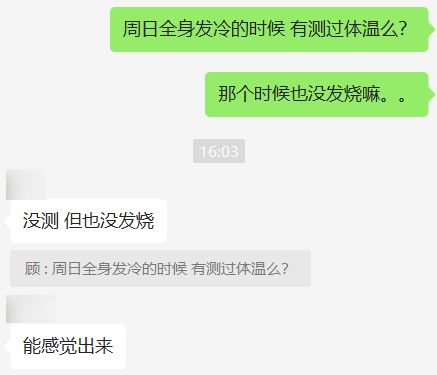
That’s what they had to say.
Of course, these individual cases have no statistical significance. They’re only meant to help everyone get an idea of what you might go through if you catch COVID.
Next, drawing on some foreign papers as well, let’s talk about “reinfection” and “after-effects”.
According to official UK data, Omicron does indeed bring more reinfections: of all confirmed reinfections, 93.4% occurred during the Omicron pandemic period.
But don’t panic — according to the statistics, fewer than 6.75% of infected people experienced reinfection. The probability is very low.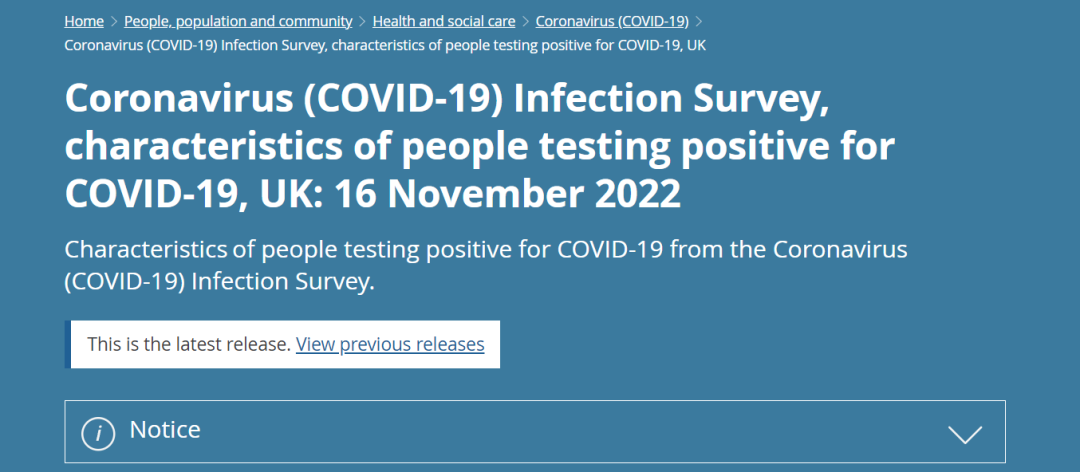
On one hand, exposure to different strains may lead to repeat infection; on the other hand, even with the same strain, once the antibody concentration formed by the previous infection drops, repeat infection is also possible.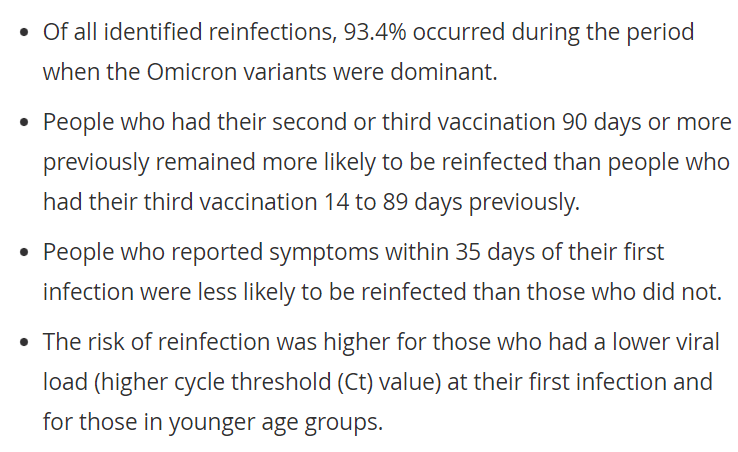
As for “after-effects”, Omicron has simply existed for too short a time — just over a year — so research findings on its after-effects, both at home and abroad, are still fairly limited.
In May this year, an Indian scholar studied 53 people who had recovered from Omicron infection. Among these 53 patients, 28.3%, 84.9%, and 56.6% experienced a runny nose, fever, and sore throat respectively after recovery, but none of the symptoms lasted more than two months.
According to a report by @DXY, one study points out that the incidence of after-effects from the Omicron strain is only 24-50% that of the Delta strain (in the case of vaccination). Since that data is as of the end of 2021, when the Omicron pandemic had not yet begun, under the current situation where Omicron infections dominate, the proportion of COVID after-effects may be even lower than what the study showed.
Finally, let’s briefly talk about what you can do to prevent COVID.
Washing your hands frequently is an old refrain by now. In addition, get good rest, and consider keeping some medicine stocked at home. For specific medication recommendations, you can refer to the List of Medications for COVID-19 Patients published by People’s Daily.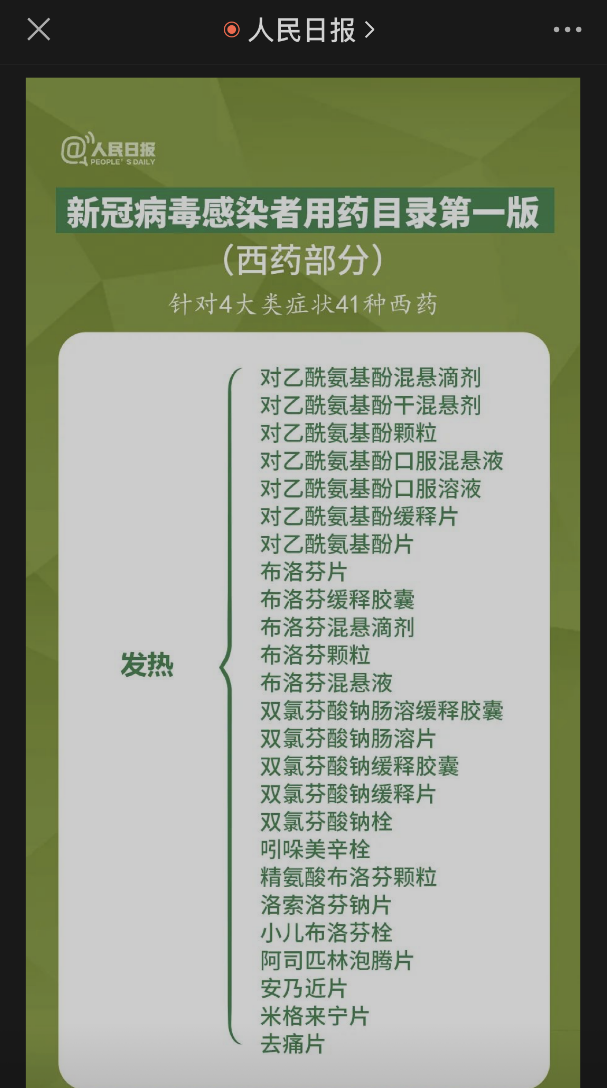
Here I’ll stress just one point: don’t “grasp at any doctor in a panic” — avoid duplicate medications, exceeding the dosage, and so on.
For example, many people may have both acetaminophen and ibuprofen on hand. Try not to use these two at the same time, otherwise there is a certain risk of causing acute liver failure. Another example: when using ibuprofen to bring down a fever, you need to leave 6 hours between doses, and so on.
For medication contraindications, you can check information published by authoritative medical institutions such as Peking Union Medical College Hospital.
For other basic matters, you can refer to the official Home Guide for COVID-19 Patients.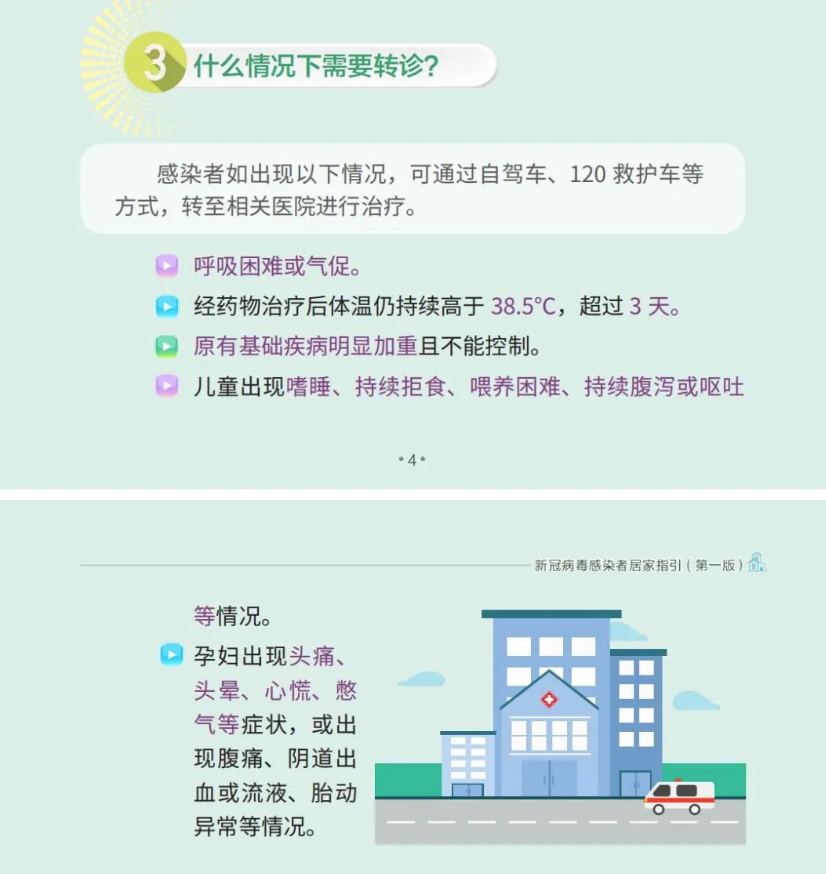
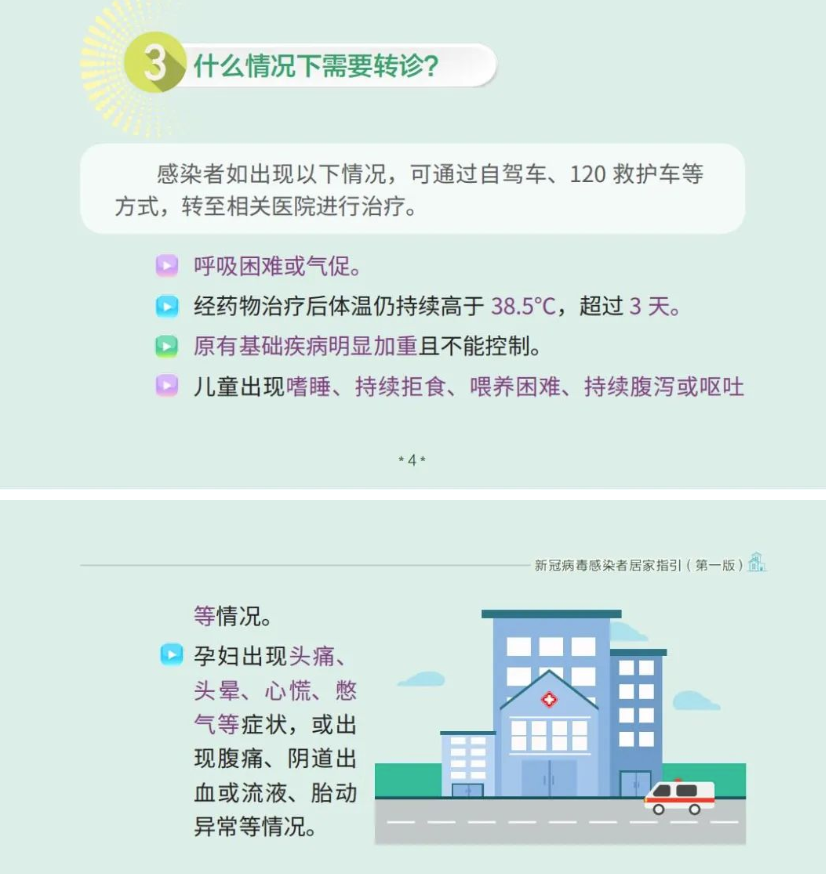
Basically all the relevant information can be found online; just make sure to look for authoritative and reliable sources.
Finally, drink more hot water…
Notes: 1. This article is only a window to help everyone understand COVID and does not constitute any medical advice. 2. Although COVID is not frightening for most people, individual immunity varies. Once the illness becomes severe, be sure to seek medical attention promptly.Reprinted from: https://mp.weixin.qq.com/s/hpheu-C8ZiwyCuI9GdSTQA